


Borough Leaf Collection Season: Pickup Dates, Bagging Rules, and Drop-Off Sites
Zone weeks, bag limits, brush rules, drop-off hours, and the fines that follow a bad setout — what Borough residents need to know before the trucks arrive.
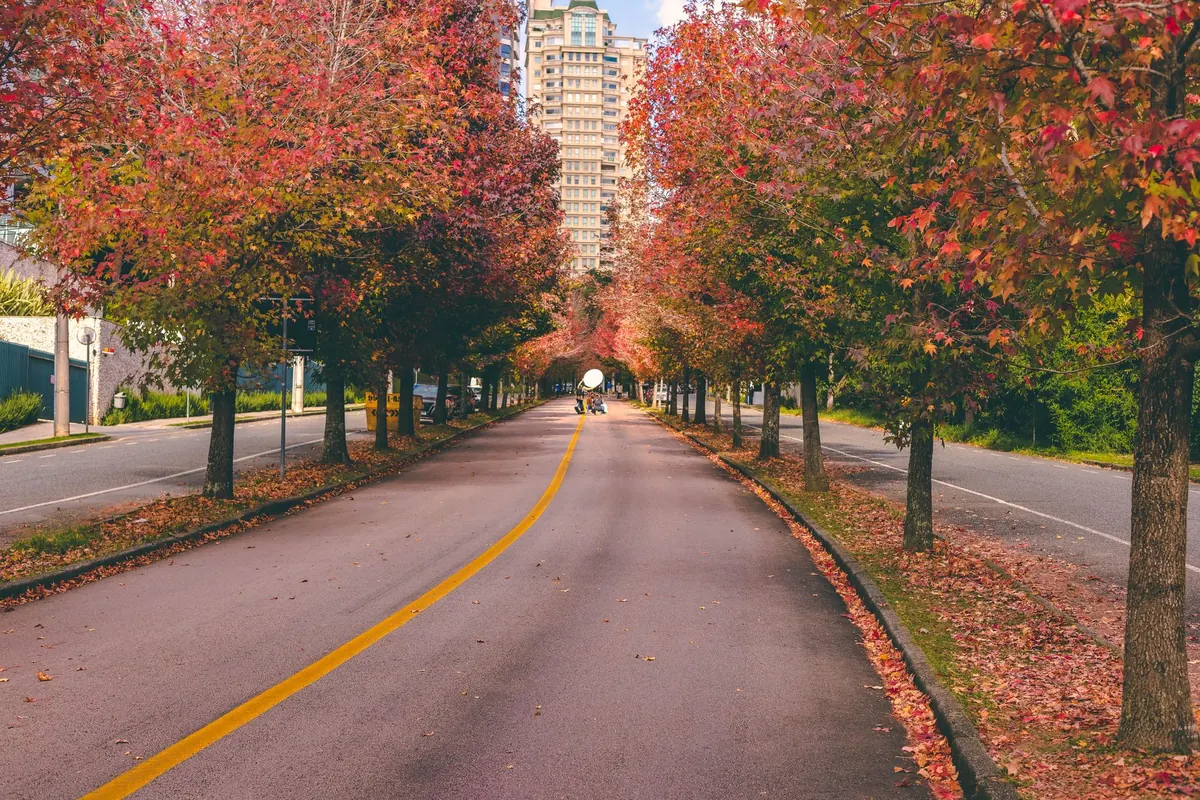
The maples on Chestnut Street let go of their last leaves this week, and the borough's collection crews are already working their way through the zones. If your yard looks like it produced more leaves than the trees that dropped them, you're in good company. Every autumn the borough hauls away something close to a small mountain of them, and every autumn a good share of that mountain gets left sitting at the curb because of a plastic bag or a missed week.
What decides whether those leaves actually leave your curb is the setout: the right week, the right bag, the right spot. Get those three right, and the rest is raking.
Pickup dates, zones, and what "your week" means
Leaf collection runs zone by zone, one week per zone, with trucks starting Monday morning. Your zone is tied to your street address, so it doesn't matter how many trees are actually on your block — the corner lot with one skinny maple and the block with a full canopy of oaks get the same week. The zone map is posted on the borough website, and printed copies sit on the counter at the municipal building and at the library branch.
Set your bags out the Sunday evening before your zone's week. Crews make a single pass down each street, and they don't loop back for a setout that appears two days late. Anything the truck misses waits for the make-up pass at the end of the season, which in a wet autumn can mean sitting curbside for weeks. If you're new to the street, the easiest way to confirm your week is to look up the block on that first Sunday: a line of paper bags at the curb is a better calendar than any flyer.
Heavy rain or an early snow pushes the schedule by a day or two. Those changes get posted online rather than left as notes on your lawn, so it's worth a quick check the night before your week starts.
What counts as "at the curb"
The strip of grass between the sidewalk and the street, where your trash goes — not the roadway itself. Keep bags off storm drains, crosswalks, and driveway aprons, and don't stack them behind a parked car where the arm of the vacuum truck can't reach. One tight, visible pile beats bags scattered along three properties. If the only open spot is in the street, the setout is technically illegal, and it's also the fastest way to lose your leaves to a street sweeper or a plow instead of a collection truck.
If your street seems to have been skipped
Call public works with your address the same day. Most misses turn out to be setouts an inspector flagged as non-compliant — plastic bags, brush mixed in, a pile in the street — and a quick call usually reveals whether a return trip is already scheduled. Waiting until the end of the week rarely helps; by then the crew is two zones away and the note on your street has gone cold.
Bagging rules the crews actually enforce
Leaves go out in paper yard-waste bags, or in a rigid can clearly marked LEAVES in letters big enough to read from the sidewalk. Plastic bags are not accepted: they split under the weight, they foul the vacuum equipment, and nothing inside them composts.
Weight matters as much as material. If you can't lift a bag comfortably on your own, the crew won't either, and a soggy bag of leaves gets heavy fast. Fill bags about two-thirds full, leave room to fold the top, and don't pack wet leaves down tight the night before pickup.
There's also a per-address cap on how much the trucks take in one pass, printed each year in the collection notice. If you're raking a double lot or a corner property with two street frontages, split the setout across your zone week and the end-of-season make-up rather than putting forty bags out at once. A pile that size can be left behind entirely.
- Accepted: leaves, pine needles, and twigs thinner than a pencil, in paper bags or clearly marked cans.
- Not accepted: plastic bags, grass clippings, garden plants and mulch, food scraps, trash, dirt, stones, and anything that isn't a leaf or a twig.
The single most common rejection is a bag that's half leaves and half something else. Yard-waste crews aren't sorting your setout at the curb; they're looking at the outside of it and deciding whether to lift it. A bag with grass clippings at the bottom looks exactly like a bag of leaves until it's already in the truck, and by then the whole load is a problem — which is why a mixed bag is likelier to be left than taken.
Drop-off sites: when the truck isn't an option
Not everyone can make the zone week work. If you're away that week, raking late, or clearing a yard the trucks have already passed, the borough's drop-off sites take leaves through the end of the season.
Drop-off is at the public works yard, with extended Saturday hours during collection season. Residents bring proof of address — a driver's license or a utility bill works — and landscapers and other commercial haulers are turned away. Expect the line to be longest on the first warm Saturday after a windy week.
- Empty paper bags and cans into the designated pile; don't toss the bag in with the leaves.
- Keep loads separated. Leaves in one place, brush in another, and nothing else in either.
- Check posted hours before you load the car. The gates close on time, and a full trunk at a locked gate is a long drive home.
The leaves that come in — whether from your curb or your trunk — get composted. In spring the borough gives the finished material away to residents for gardens and beds, which is the closest thing to a full circle that yard waste ever gets.
Bringing the mountain down to a pile
The cheapest leaf collection is the one you never have to set out. A mower run over dry leaves breaks them down enough to disappear into the lawn, and a few passes in November do most of the work that raking would.
- Mow when the leaves are dry and the grass is still growing, so the shredded pieces settle down between the blades.
- Leave a thin layer on the lawn and rake the rest into beds as free mulch.
- Keep a back-corner pile for leaf mold — stacked leaves left to rot for a year or two make some of the best soil amendment you can get for nothing.
"Leaves left on the lawn feed the lawn. Leaves in a paper bag at the right curb feed the borough compost pile. Leaves in a plastic bag on the wrong week feed nothing and cost everyone a truck run."
That line, more or less, is the message the collection notice has carried for years. The dates change, the zones move, the bags get heavier every fall — but the setout rules don't. Sunday night, paper bags, grass strip, your week. Get those right, and the maples of Chestnut Street can drop whatever they like.
Photo: Adi Jonan / Pexels