

How to Report a Pothole or Streetlight Outage in the Borough and Track the Repair
A step-by-step guide to reporting potholes and streetlight outages in the borough, with tips on photos, reference numbers, and following up until the repair is done.
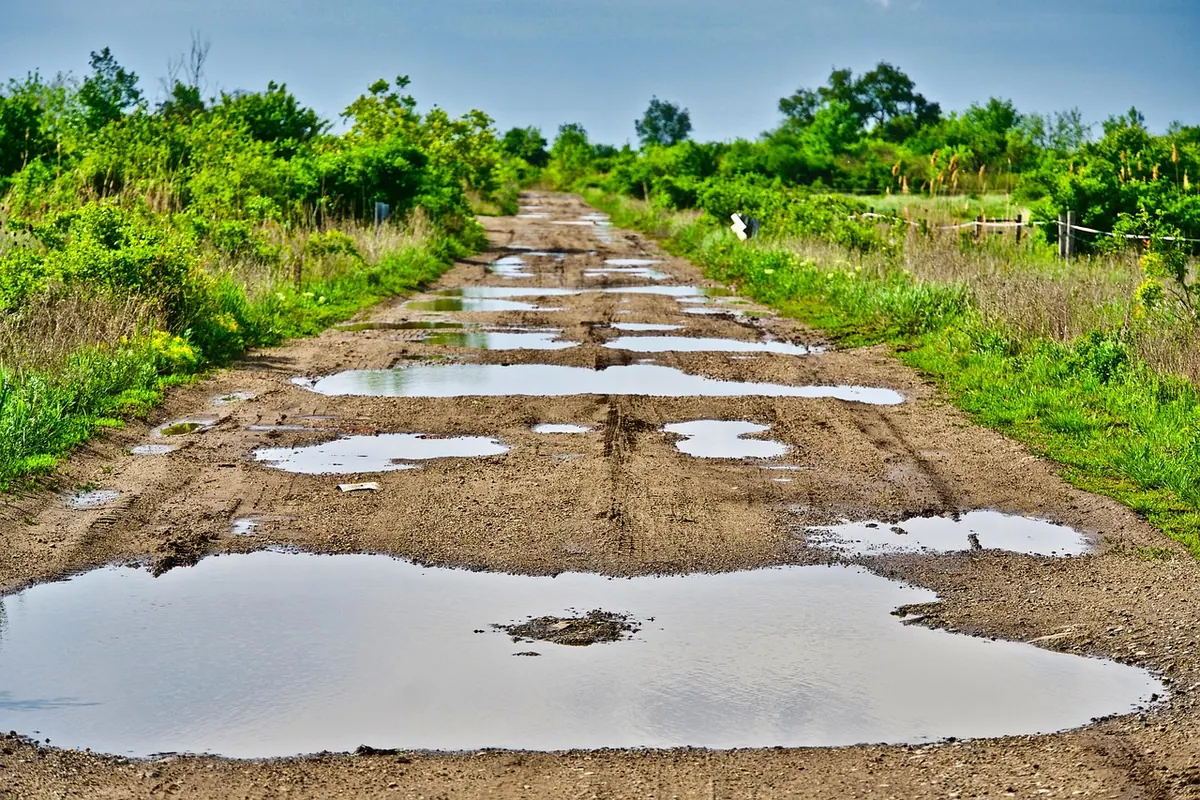
A pothole on your morning commute can rattle more than your suspension. A dark streetlight can make an entire block feel less safe after sunset. Both are the kind of small, fixable problems that local government handles every day — but only if someone tells them where to look. Reporting a pothole or a streetlight outage in the borough is straightforward once you know which channel to use and what details to include. Here is how the process works, from the first report to the follow-up call that confirms the repair.
Before You Report: Gather the Right Details
A report is only as useful as the information in it. Crews are dispatched with a work order, not a mystery. If the address is vague, the ticket may sit while someone tries to figure out which stretch of road you meant.
For a pothole, note the exact address or the nearest cross streets. Mention the direction of travel and which lane it is in — a crater in the parking lane is a different job than one in the middle of a busy intersection. Size helps too: is it the width of a dinner plate or a manhole cover? Does it hold water after rain? Has it been patched before and reopened?
For a streetlight, the most valuable detail is the pole number. Many poles have a small metal tag or stenciled number, often a few feet above eye level. If you cannot find it, give the nearest building address and describe the pole’s position: in front of the bus stop, beside the driveway at number 42, on the corner opposite the pharmacy.
Note when you first saw the problem. If a pole is leaning, a wire is down, or sparks are visible, skip the routine process and call emergency services or the utility’s emergency line. That is not a pothole report. That is a hazard.
Filing Online Through the Public Works Portal
Most boroughs now run a public works portal or a “report a problem” page on the official website. The exact wording varies, but the steps are usually similar.
- Find the right page. Look under Public Works, Streets, or Report an Issue. If the homepage is cluttered, use the site search for “pothole” or “streetlight.”
- Create an account or continue as a guest. An account takes a minute and makes it much easier to check status later without digging through email.
- Choose the correct category. Pothole and streetlight are usually separate. Picking the wrong one can send your ticket to the wrong crew.
- Drop the pin accurately. If the map tool is imprecise, use the description field to correct it. “Pin is approximate — pothole is actually 50 feet north, just past the crosswalk.”
- Upload a photo if the form allows it. Even one clear image saves time.
- Write a short, specific description. Include what, where, how long, and any safety concern. Two or three sentences is plenty.
- Submit and save the confirmation number. Screenshot it or write it down. This is your tracking key.
Check your spam folder for the confirmation email. Borough systems are not always whitelisted by email providers.
Calling It In or Using the Borough App
The phone line still matters, especially for residents without reliable internet or for locations that are hard to pin on a map. Call the non-emergency public works number listed on the borough website. Avoid the emergency line unless there is an immediate danger.
Have your details ready before you dial: nearest address, cross street, pole number if you have it, and a one-sentence description. Ask the person taking the call for a reference number, and write down the date and time. If the line is busy, try early morning or midweek, when call volumes tend to be lower.
Some boroughs also offer a mobile app for service requests. The same rules apply: accurate location, clear photo, and a saved confirmation. An app does not make a vague report any more useful.
Photos That Actually Help
Good photos speed up repairs. Bad photos create questions.
- Start wide. Show the street, intersection, or building so the crew can orient itself.
- Then get close. For a pothole, include something for scale — a foot beside it, not a hand in traffic.
- For streetlights, photograph the pole tag first, then the fixture. If the light is out, a nighttime photo rarely helps; a daytime shot of the pole and tag is more useful.
- Stay safe. Pull over legally or have a passenger take the photo. Never stand in a travel lane.
- Respect privacy. Avoid capturing faces, license plates, or the inside of homes.
Tracking the Repair and Following Up
Once you have a reference number, you can usually check status online or by calling the public works office. Typical status labels include received, assigned, in progress, completed, and closed. Do not expect the label to change daily. Pothole crews often run routes by ward or district, and streetlight work may depend on the utility that owns the pole.
That ownership detail matters. In many places, the borough maintains the street but the utility owns the light. Your report may be forwarded, which adds a step and a few days. It is still worth filing with the borough first; they can route it correctly.
Timelines vary with weather, staffing, and season. Cold-weather pothole repairs are often temporary patches using cold mix. A permanent repair may wait for warmer, drier conditions. A routine streetlight outage might take a couple of weeks; a hazardous pothole in a travel lane usually gets attention sooner.
If you have not heard anything after a reasonable window — about a week for a safety hazard, two to three weeks for a routine issue — follow up with your reference number. Be polite, be specific, and ask what the next step is.
If the Repair Stalls
Sometimes a ticket goes quiet. Before you escalate, check that your contact information was correct and that the location was clear. Then work up the chain. Ask to speak with a supervisor in public works. Contact your ward council member or the borough administrator’s office. Most councils set aside time for public comment at meetings, and a politely stated question about an open ticket can move things along.
Keep a simple log: date reported, reference number, who you spoke with, and what they said. If the pothole damaged your vehicle, ask the borough clerk’s office about the claims process. Rules and deadlines vary, so get the specifics in writing rather than relying on a neighbor’s story. And do not attempt to fill a pothole yourself on a public street — it can create a liability problem and a worse road surface.
A Few Habits That Make the System Work
Report problems when you see them, not weeks later. Give the most precise location you can. Save the confirmation number. Follow up once if nothing changes. If several neighbors report the same streetlight or the same stretch of crumbling asphalt, that pattern can help crews prioritize — but only when each report is specific enough to count.
The system is not perfect, and repairs do not happen overnight. Still, a clear report with a photo and a reference number is the difference between a complaint that disappears and a work order that gets finished. That is a small amount of effort for a smoother commute and a brighter walk home.
Photo: MemoryCatcher / Pixabay