
Community Garden Plot Checklist: Application, Rules, and What to Bring on Day One
How to apply for a community garden plot, what fees and rules to expect, why soil testing matters, and what to bring on day one.
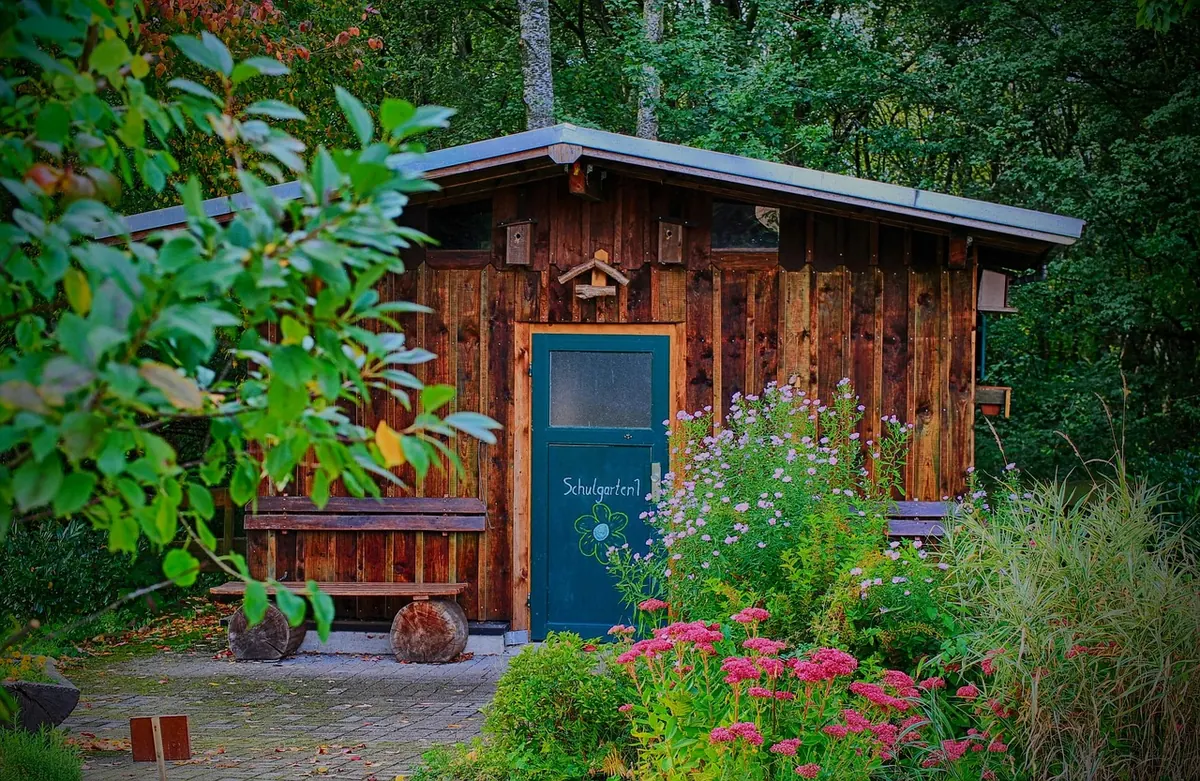
A community garden plot looks simple from the outside: a patch of dirt, a little sunlight, and enough tomatoes to make you popular at the office. Then you read the fine print. There is an application window that opens and closes whether or not you noticed it. There is a fee, sometimes a deposit. There are rules about hoses, tool sheds, and how tall your sunflowers can get before they shade someone else's lettuce. None of it is complicated. It is simply easier to learn before you have paid, planted, and fallen in love with the place.
Find the Application Window Before You Fall for a Plot
Community gardens are usually run by one of three groups: a parks department, a land trust or nonprofit, or a neighborhood association. Each keeps its own list, and each opens registration on its own schedule. Many take applications in late winter or early spring for the coming season. Others run a rolling waitlist and call you whenever a plot frees up, which could be this month or two years from now.
So ask three questions before anything else. When does registration open? How long is the waitlist right now? And are plots limited to residents of this city, county, or neighborhood? Some gardens quietly reserve a few plots for seniors, students, or households nearby, and you will only find out by calling or emailing.
If you are flexible, say so. Half plots, raised beds built for accessibility, and sites a few blocks farther from the popular park often have much shorter waits.
Fees, Deposits, and What Your Money Covers
Plot fees vary enormously from one garden to the next, so treat any number you hear as local rather than typical. What matters is what the fee includes. At many sites it covers water access, shared tools, compost deliveries, path mowing, and liability insurance for the whole garden. That is a real bargain compared with buying a tiller, a hose, and a wheelbarrow.
Two charges catch people off guard. The first is a deposit, refundable only if you clear your plot by a set date in late autumn and leave the structure in decent shape. The second is a workday requirement: some gardens ask each household for a few hours of communal labor per season, weeding paths or turning the compost pile. If you genuinely cannot make the workdays, ask whether a buyout option exists.
Also ask whether reduced-fee or scholarship plots are available. Many gardens have them and mention them only when asked. If money is tight, that conversation is worth having early rather than after you have been assigned a plot.
Test the Soil Before You Plant a Single Seed
Urban garden plots often sit on land with a previous life. The ground may have been a rail yard, a filling station, or the yard of a house painted decades ago with lead-based paint. Contaminants can linger in soil long after the buildings are gone. This is not a reason to panic. It is a reason to test.
Cooperative extension services and university soil labs offer basic tests, and a lead screening is usually inexpensive. Take samples from several spots across your plot, six to eight inches down, mix them in a clean bucket, and send the combined sample. Testing one scoop from one corner tells you almost nothing.
If results come back elevated, you still have options. Build raised beds with clean imported soil. Grow fruiting crops such as tomatoes, peppers, and beans rather than leafy greens and root vegetables, which take up more from the soil. Wash everything well, keep the soil's pH in a healthy range, and add plenty of compost. For anything you are unsure about, talk to your local extension office or another qualified professional before you plant a full season's food.
The Rules That Trip Up First-Year Gardeners
Garden rules exist mostly to prevent small annoyances from becoming neighborhood feuds. Read your agreement twice, then expect to break one rule by accident anyway. The usual suspects:
- Water windows. Some sites restrict hose use to certain hours to keep pressure steady for everyone.
- Tools. Shared tools go back on the rack clean. A borrowed trowel left in your plot is a missing trowel for everyone else.
- Height and shade. Trellises, sheds, and tall crops are often capped so they do not shade a neighbor's beds.
- Weeds. Letting thistles or bindweed go to seed is the fastest way to make enemies. So is letting grass swallow your paths.
- Chemicals. Many gardens ban herbicides and pesticides outright. Ask before spraying anything.
- Abandonment. Most agreements define a plot as abandoned if it goes uncultivated for several weeks. That clause is enforced.
- Guests and pets. Visitors are usually welcome; off-leash dogs generally are not.
Seasonal Deadlines Worth Circling Now
Your last expected frost date is the anchor for everything else. Before it, you can direct-sow cool-season crops: peas, spinach, lettuce, radishes, carrots. After it, transplant tomatoes, peppers, and basil, and sow beans, squash, and cucumbers. In autumn, garlic goes in the ground, cover crops like crimson clover or winter rye go into empty beds, and the plot cleanup deadline arrives.
One more date matters more than new gardeners expect: the renewal deadline for next season, which sometimes lands in midsummer. Miss it and your plot may be reassigned to someone on that waitlist you just escaped.
What to Bring on Day One
Do not buy a shed's worth of gear. Bring the basics, borrow the rest, and let the plot tell you what you actually need.
- Gloves, a hand trowel, and a sturdy digging fork
- A bucket for weeds, rocks, and harvested produce
- Twine, plant labels, and a permanent marker
- Water bottle, wide-brim hat, sunscreen, closed-toe shoes
- A kneeling pad or a small stool
- Trash bags for debris left by the previous tenant
- Your signed agreement, gate code, and the garden coordinator's contact info
- A notebook, because you will forget which variety you planted where
Your First Two Weeks, Realistically
Walk the plot with a tape measure and sketch it on paper. Note where the sun lands in the morning and late afternoon. Clear the paths first, then the beds. Weed thoroughly before you plant anything, because pulling weeds around established seedlings is a misery you can avoid.
Plant less than you think you should. A few healthy rows beat a packed plot you cannot keep up with in August. Introduce yourself to the neighbors, ask who has been there longest, and find out when the tool shed is open. A garden is a long conversation with a piece of ground and with the people around it. Start small, show up often, and the plot will teach you the rest.
Photo: Carola68 / Pixabay