



First-Time Voter Guide for Borough Elections: Registration, ID, and Polling Place Basics
A practical walkthrough of borough election rules: who can vote, registration and mail-ballot deadlines, acceptable ID, and how to find your polling place before Election Day.
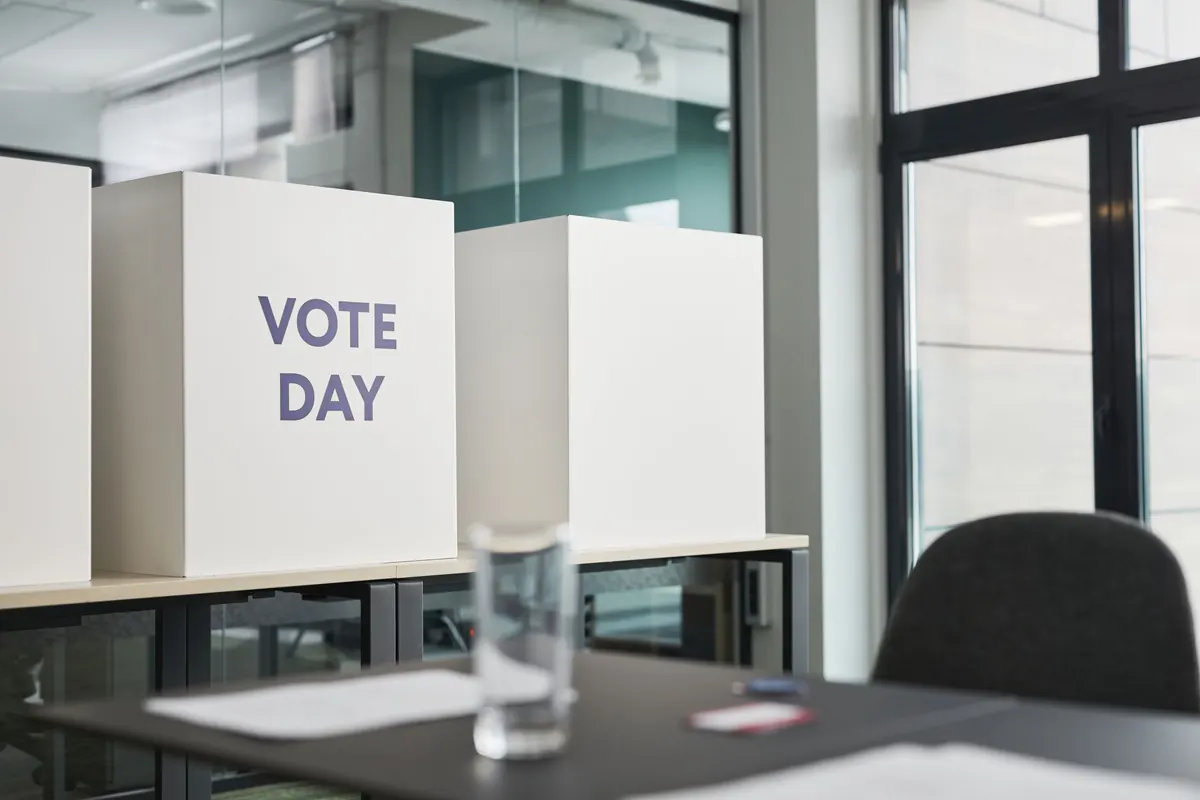
The first time you vote in a borough election, the rules can feel like they were written for people who already know them. Registration deadlines, mail ballots, ID requirements, the polling place that moved two streets over last spring — none of it is complicated, but all of it is easy to get wrong if you start looking into it the morning of. Here is what to handle, roughly in the order it makes sense to handle it.
Who Can Vote in a Borough Election
Borough elections decide the things you actually notice: council seats, the mayor, school board, and ballot questions about taxes, zoning, or whether the town buys that vacant lot. To vote in one, you generally need to meet four conditions.
- Age: 18 or older on or before Election Day. Many states let 17-year-olds register if they will turn 18 by the next general election.
- Citizenship: U.S. citizen. A small number of municipalities allow non-citizens to vote in local races only, so check your borough's charter or ask the election office.
- Residency: You must live in the borough — and usually in the specific precinct — for a set period before the election, often 30 days.
- Eligibility status: Rules for people with felony convictions vary widely by state. Some restore voting rights automatically after release or after supervision ends; others require an application. Your state election office or a local voter hotline can tell you exactly where you stand.
If you moved recently, even within the same borough, your registration may need updating. A change of address can put you in a different precinct, and a stale registration is one of the most common reasons a first-time voter's name isn't on the list.
Registering: Deadlines and the Fastest Ways to Do It
The single most important date is your state's registration deadline. For municipal elections it typically falls 15 to 30 days before Election Day. Miss it and you are usually out of luck, though a growing number of states offer same-day registration at the polls. Look up the exact date for your borough rather than trusting a general rule.
Your options, roughly from fastest to slowest:
- Register online through your state's voter portal. You will usually need a driver's license or state ID number.
- Register in person at the county election office, a motor vehicle office, a library, or some post offices.
- Mail in the National Mail Voter Registration Form, which works in most states. Print it, sign it by hand, and send it early enough to arrive before the deadline — a postmark on the last day isn't always sufficient.
Confirm you're on the list
About a week before the election, check your registration status online or by phone. Verify your name spelling, your address, and your party if your state holds closed primaries. If something is off, fix it before the deadline rather than at the polling place. One catch worth knowing: if you registered by mail as a first-time voter and didn't include an ID number, federal law requires you to show identification the first time you vote.
Voting by Mail, Step by Step
Mail voting rules vary more than any other part of the process. Some states send every registered voter a ballot automatically. Others require you to request one. A few still require an excuse. Find out which category your state is in before you count on it.
- Request the ballot. Apply as soon as applications open — two to four weeks before Election Day is a reasonable target, not a safe one.
- Fill it out carefully. Follow the instructions, use the envelope provided, and avoid stray marks.
- Sign and date the return envelope. A missing or mismatched signature is the most common reason a mail ballot gets rejected.
- Return it. Mail it early; many states require the ballot to arrive by the time polls close, not merely be postmarked by then. Hand-delivering to the county election office or an official drop box is safer. Only use drop boxes listed by election officials.
- Track it. Most counties let you check online whether your ballot was received and accepted. If it wasn't, you may still have time to vote in person or correct the problem.
If you requested a mail ballot but decide to vote in person, bring the ballot and its envelope if you still have them. Many states will let you surrender them and vote a regular ballot; others will ask you to vote provisionally.
What ID to Bring, and When You Don't Need Any
This is the part that trips up the most people: there is no single national ID rule. Some states ask for nothing beyond your signature and a check of the rolls. Others require photo ID. Some accept expired IDs up to a limit; some don't. Your county election office publishes the list that applies to you.
Where ID is required, acceptable forms usually include a driver's license or state ID card, a U.S. passport or passport card, a military or veteran ID, and sometimes documents such as a utility bill, bank statement, paycheck, or government check showing your name and address. Student IDs count in some states and not others.
If you arrive without the required ID, don't turn around. Ask a poll worker what your options are. In many places you can sign an affidavit attesting to your identity, or cast a provisional ballot that is counted once your eligibility is confirmed.
Finding Your Polling Place and What to Expect
Your polling place is assigned by precinct and can change between elections, so don't rely on where you voted last time or where a neighbor votes. Look it up through your county election office or state voter portal a few days ahead and write down the address.
Polls commonly open early in the morning and close in the evening, but hours are not identical everywhere. If you are in line when the polls close, stay in line — you are entitled to vote. Expect to give your name and address, possibly sign a poll book, and then vote. Bring your marked sample ballot or notes if you like; nobody will mind, and it keeps you from guessing on the down-ballot races where borough elections are actually decided.
If you need help, ask for it. Curbside voting, accessible machines, and assistance from a person you choose are available in most polling places.
When Something Goes Wrong at the Polls
Three problems come up over and over for first-time voters:
- Your name isn't on the voter roll.
- Your address on file is out of date.
- Someone has already voted in your name.
In each case, ask for a provisional ballot before you leave. You vote on it the same way, and it is set aside and counted once election officials verify that you were eligible and hadn't already voted. Ask the poll worker for written instructions on how to check whether your provisional ballot was counted, and take down the number of the county election office. A provisional ballot is always better than going home and hoping the problem fixes itself.
The Night-Before Checklist
Five minutes the evening before saves confusion the next day:
- Confirm your polling place address and its hours.
- Set out your ID — and a backup document with your name and address if you registered by mail.
- Mark your sample ballot so you know the races, especially the ones further down the page.
- Find your mail ballot if you plan to hand it in.
- Arrange a ride, or a plan for kids and work, so a long line doesn't cost you your vote.
Election rules are local and they change from year to year, so treat your county election office as the authority rather than a neighbor or a post online — and if a question has legal weight, such as an eligibility dispute or a rejected ballot, ask the election office or a nonpartisan voter hotline rather than relying on general advice. Once you've registered, the voting itself
Photo: Edmond Dantès / Pexels