
The Hidden Math Behind Every Slot Spin, Bet, and Bluff
Most people who lose money gambling don't lose it because they're unlucky. They lose it because they never understood the machine they were playing. And I…

Most people who lose money gambling don't lose it because they're unlucky. They lose it because they never understood the machine they were playing. And I don't mean the software — I mean the arithmetic underneath it. Whether you're spinning a slot reel at 3 a.m., sweating a parlay on a Sunday afternoon, or trying to read a guy in seat four at a $1/$2 table, the same quiet force governs the outcome: expected value. Once you actually see that number, the casino floor stops looking like a carnival and starts looking like a spreadsheet with pretty lights.
Let's pull that spreadsheet apart.
The House Edge Isn't a Scam — It's a Subscription Fee
Every game in a casino is priced. Not in dollars on a tag, but in a percentage baked into the payout structure. That percentage is the house edge, and it's the fee you pay for the privilege of playing.
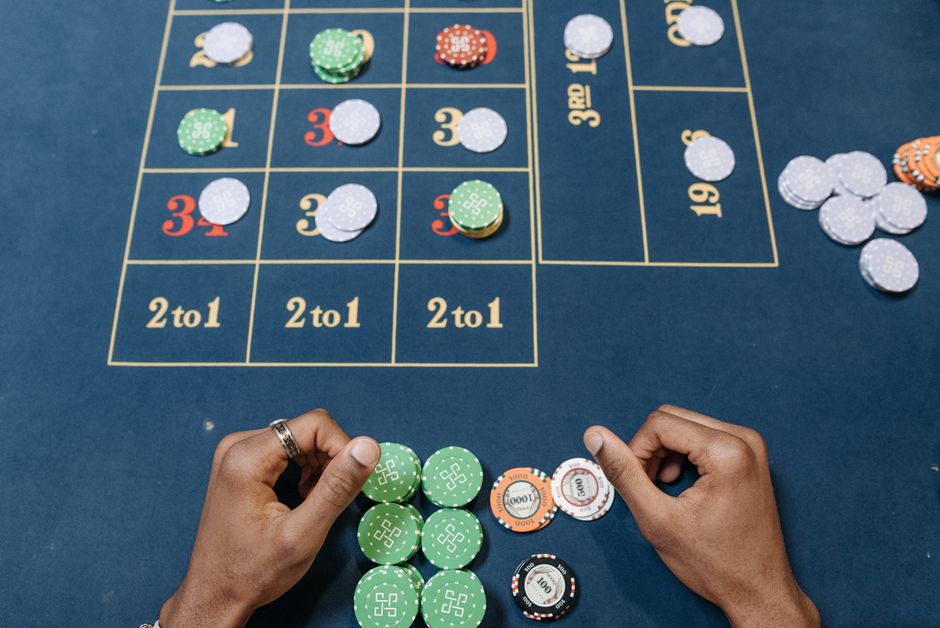
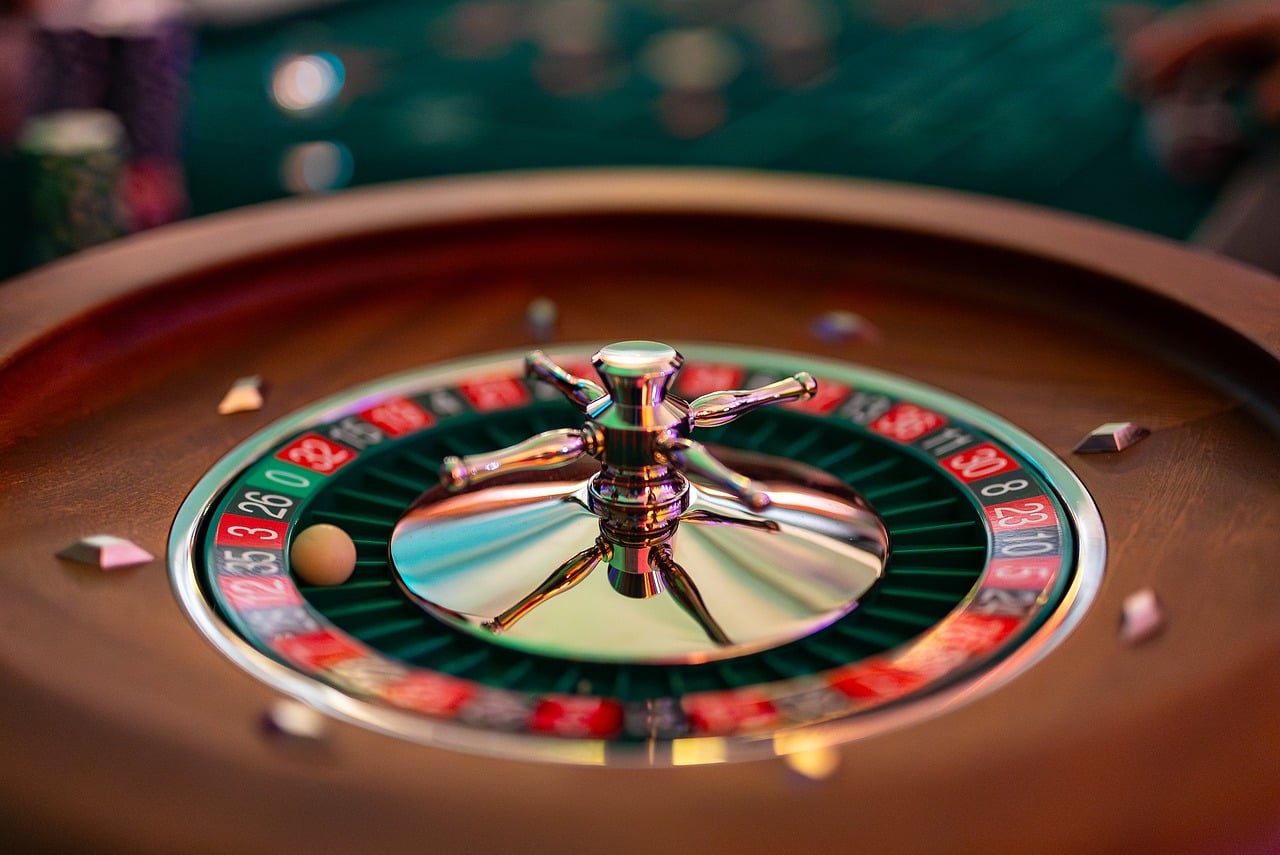
Take a standard American roulette wheel: 38 pockets, 18 red, 18 black, 2 green. A straight-up bet pays 35-to-1, but true odds are 37-to-1. That gap — 2 units out of 38 — works out to a 5.26% house edge. European roulette, with its single zero, cuts that to 2.7%. Same game, same rules, nearly half the cost, just because of one extra pocket. Players who know this and still choose the double-zero wheel are basically tipping the casino for no reason.
Now compare that to a slot machine. The edge can range from 2% on some high-limit, high-return-to-player video slots up to 10% or more on penny machines in touristy spots. The catch is that slot RTP (return to player) is calculated over millions of spins. You'll never feel it in a single session, which is exactly why it's easy to ignore.
Here's the takeaway: the house edge doesn't predict whether you'll win tonight. It predicts what happens to the whole room over a year. You're just one line on that spreadsheet.
Slots: Volatility Matters More Than RTP
New players obsess over RTP percentages. Experienced players obsess over volatility, because that's the number that decides whether your bankroll survives long enough to see the average.
- Low volatility slots (think classic 3-reel fruit machines, RTP around 95–96%): frequent small wins, gentler swings. Good for stretching a $50 bankroll.
- Medium volatility (most modern 5-reel video slots): balanced hit frequency around 25–30%, occasional 50x–200x hits.
- High volatility (Megaways-style, bonus-buy games): hit frequency can drop under 15%, but the top prize might be 20,000x your stake.
A slot with 96% RTP and extreme volatility can eat 300 spins before paying anything meaningful. That's not a broken machine. That's the design. Players who don't understand this chase losses by increasing bet size, which is the single fastest way to zero out.
Practical tip: match volatility to your session goal. If you want a two-hour grind on a fixed budget, pick low or medium volatility and drop your stake to 0.5–1% of bankroll per spin. If you're buying a bonus for the thrill, accept that you'll lose the buy-in more often than not. 789Win covers this in more detail.
Sports Betting: The Vig Is Quieter, But It's Still There
Sportsbooks don't usually charge you a visible fee. They charge you through the juice, or vig. A typical NFL spread is priced at -110 on both sides. Bet $110 to win $100. To break even, you need to win 52.4% of those bets, not 50%. That 2.4% gap is the book's margin.
Things get worse on parlays. A three-leg parlay at -110 each leg should pay roughly 6-to-1 in true odds. Books typically offer 5.5-to-1 or 6-to-1 depending on the market. Stack five or six legs and the compounded vig can push the effective house edge past 20%. That's why sportsbooks love promoting same-game parlays — the math is brutal for the bettor and beautiful for the operator.
A few things sharp bettors actually do:
- Shop lines across at least three books. A half-point difference on an NFL spread swings win probability by 2–3%.
- Favor moneylines and spreads over exotic props where the vig is less transparent.
- Track your closing line value. If you consistently beat the closing number, you're a winning bettor in the long run, regardless of short-term results.
Poker Is the Only Game Where You're Not Playing the House
This is the part that confuses casual players. In poker, you're not betting against the casino. You're betting against other humans, and the house just takes a rake — typically 5% of the pot capped at $3 to $5 in live low-stakes games, or around 5% uncapped online for micro-stakes.
That rake still matters. In a $1/$2 live game raking $5 a hand, a full table of nine players can bleed hundreds of dollars per hour out of the game. Those chips have to come from somewhere — usually from the weakest players. If you're not one of the two or three best players at the table, the rake is quietly transferring your money to them and to the house.
This is why game selection matters more than almost any technical skill. A mediocre player at a soft table wins more than a great player at a tough one. Before you sit down, watch the table for ten minutes. Look for players calling too much, not raising enough, and showing hands they shouldn't. Those are the players who fund your session. 789 Win goes into the finer points.
The Only Three Numbers That Actually Matter
If you strip away the noise — the bonuses, the graphics, the TikTok streams — every gambling decision comes down to three things:
- Expected value (EV): the average result of a bet over infinite repetitions. Positive EV means you profit long-term; negative EV means the opposite.
- Variance: how wild the ride is between short-term results and the long-term average.
- Bankroll: how many units you can lose before variance bankrupts you.
Pros and sharp recreational players optimize for all three. They find positive EV spots, accept variance as a cost of doing business, and size bets so a bad run doesn't end their ability to play. Everyone else optimizes for the feeling of a win.
A Final Thought Before You Open the App
The casino industry is one of the most sophisticated mathematical operations on earth. Every bonus, every animation, every near-miss sound was engineered by people who understand EV better than you do. That's not a reason to stay away — it's a reason to walk in with your eyes open. Know the edge. Know your variance. Know your bankroll. If you can't state those three numbers before you sit down, you're not gambling. You're being priced.