

The House Always Wins? Why Smart Players Still Love iGaming
Ask ten people why they gamble and you'll get ten different answers. One loves the pulse of a live dealer calling vingt-et-un at 2 a.m. Another grinds $5 poker…

Ask ten people why they gamble and you'll get ten different answers. One loves the pulse of a live dealer calling vingt-et-un at 2 a.m. Another grinds $5 poker Sit & Gos after work like it's a second job. A third just wants to spin a slot, watch the reels stutter, and forget about a bad day. The iGaming world is enormous precisely because it scratches so many different itches — and that variety is both its greatest strength and the fastest way for a newcomer to lose money.
This isn't a sermon about gambling being evil, and it's not a hype piece either. It's an honest look at what's actually happening inside casinos, sportsbooks, and poker rooms in 2024 — the math, the psychology, the myths, and the things experienced players wish they'd known in year one.
The Numbers Behind the Neon
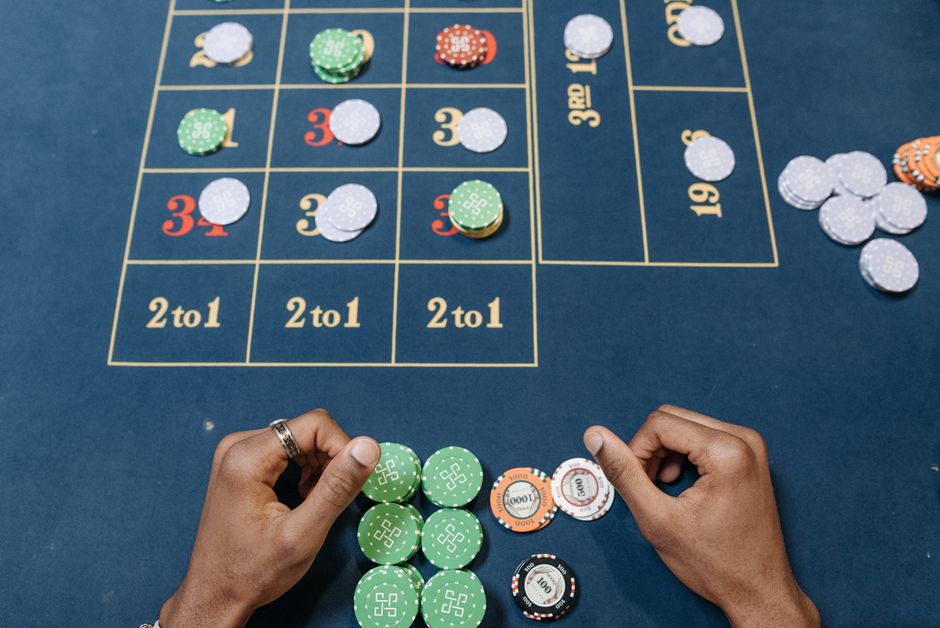
Every game you touch has a built-in mathematical edge for the operator called the house advantage, and it varies wildly. Blackjack played with basic strategy sits around 0.5%. European roulette is 2.7%, while the American double-zero wheel nearly doubles that to 5.26%. Slots are murkier — the RTP (return to player) can range from a stingy 88% on some jackpot machines to 97% or higher on certain low-volatility video slots. 78WIN offers a practical breakdown of the topic.
That gap matters more than any “system.” A 97% RTP slot loses you about $3 per $100 wagered over the long run. An 88% machine burns $12. Over a thousand spins at $1 each, that's a $90 difference — real money, quietly leaked through game choice alone. Players who check the paytable and RTP before spinning aren't being pedantic; they're doing the single most profitable thing a casual gambler can do.
- Blackjack (basic strategy): ~0.5% house edge
- Baccarat (banker bet): ~1.06%
- European roulette: 2.7%
- American roulette: 5.26%
- Video poker (Jacks or Better, optimal play): ~0.5%
- Slots: typically 2% to 12%, game-dependent
Poker is the freak of the family. You're not playing the house; you're playing other people, and the casino just takes a rake. A skilled player can genuinely be profitable over thousands of hands. That's why poker forums are full of graphs and spreadsheets while slot players post screenshots of lucky hits.
Slots: The Most Misunderstood Machine in the Building
Let's kill a few myths. Slots are not “due” to pay out. Modern slot outcomes are generated by RNGs (random number generators) that don't care what happened on the last spin, the last hour, or the last week. The machine you've been feeding for three hours has exactly the same chance of hitting a bonus on the next spin as a fresh one across the aisle.
What confuses people is volatility. A high-volatility slot like Book of Dead or Money Train will go long stretches — sometimes hundreds of spins — without a meaningful win. When it hits, it can pay 500x, 1,000x, or more. Low-volatility games feel gentler: frequent small wins that slowly grind your balance down. Neither is “better.” It's a personality match. If a $100 bankroll has to last a Saturday night, high-volatility hunting is a bad idea.
A few practical habits separate savvy slot players from the frustrated:
- Set a session loss limit before you spin, not after.
- Check the RTP in the game's info screen — 96%+ is the target zone.
- Match bet size to bankroll: 1–2% per spin max, not 10%.
- Use autoplay with a stop-loss set, not as a hands-off money shredder.
- Cash out bonuses and win caps at the threshold that fits your goal.
Poker and Sports Betting: Where Skill Actually Enters the Room
Poker rewards study more than luck, but only at the right stakes against the right opponents. Sitting at a table full of regs playing tight-aggressive ranges is the fastest way to donate your buy-in. Depositing at a soft table full of recreational players — often lower stakes, often on weekends — is where the math turns.
Key leak most amateurs share: playing too many starting hands. If you're seeing the flop with 40% of the hands you're dealt, you're not loose-aggressive, you're just loose. Starting hand charts exist for a reason. Learn one. Then trust it, even when it feels boring.
Sports betting has become the loudest part of the iGaming boom, and it's easy to see why — it hijacks every sports fan's existing expertise. But here's the uncomfortable reality: the vig. A standard -110 line means you have to win about 52.4% of wagers just to break even. Books also apply limits to winning accounts, move lines fast, and use promotions that quietly require massive playthroughs.
Still, some edges exist. Line shopping across three or four books regularly finds 2–4% differences on the same market. Closing line value (CLV) is the pro's scoreboard — if your bet consistently beats the closing line, you're probably on the right side long-term regardless of short-term results.
The Regulation Question Nobody Wants to Talk About
Everyone screams about bonuses; almost nobody checks licenses. The difference between a Curacao-licensed casino that drags its feet on withdrawals and a UKGC or MGA-licensed operator that's legally forced to process your payout in a set timeframe is day and night.
Before depositing anywhere, check: More background can be found at 78 WIN.
- The license regulator and license number (is it real, and is the regulator responsive?)
- Withdrawal processing times and methods on independent review sites
- Bonus terms — especially max bet during wagering and max cashout caps
- Responsible gambling tools offered (deposit limits, self-exclusion, reality checks)
- Whether the site uses a recognized auditing firm for RNG certification
A juicy 200% bonus with a 60x wagering requirement and a 10x max cashout is not a gift — it's a marketing trap. A modest 50% bonus with 25x wagering and no cashout cap is far more valuable.
Where This Leaves the Thinking Player
The thrill isn't going anywhere. Slots, tables, poker, and sportsbooks are built to be fun, and for most people they are — in moderation. The people who get hurt are rarely the ones with bad luck; they're the ones with no plan. They chase losses, they ignore wagering terms, and they spend their entertainment budget in three hours instead of three weekends.
Approach iGaming like you'd approach any night out: set what you're willing to lose, choose the games that respect your money, and treat the winnings like a bonus rather than a payroll. The house edge is real and permanent. Your choices inside it are not. That's where the actual game begins — and the players who understand it get far more than a payout. They get a hobby that lasts. Drop a chip, take a seat, and enjoy the ride with both eyes open.